
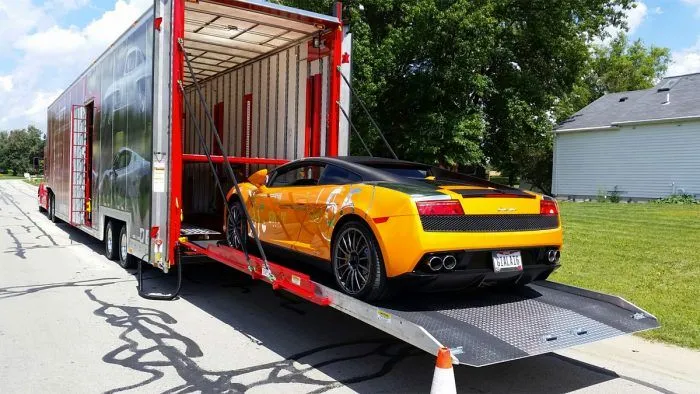
# How to Prepare Your Car for State-to-State Auto Transport
Moving a vehicle from one state to another involves more than arranging a pickup date. Proper preparation helps make loading, transportation, and delivery easier while providing a useful record of your vehicle’s condition before the journey begins.
Whether you are relocating, purchasing a car from another state, or sending a vehicle to a family member, these practical steps can help you prepare for state-to-state auto transport.
## 1. Clean Your Vehicle Before Pickup
Wash the exterior before the scheduled pickup. A clean surface makes it easier to identify existing scratches, dents, paint marks, and other visible conditions during the vehicle inspection.
Cleaning the interior is also useful because it allows you to check for personal belongings, loose objects, and items that could move during transport. A professional detail is usually unnecessary; the goal is to make inspection straightforward.
## 2. Remove Personal Belongings
Remove luggage, electronics, important documents, valuables, and other personal items from the vehicle. Transport arrangements may prohibit personal belongings because of weight limits, safety considerations, and insurance restrictions.
Do not assume that items left in the trunk or glove compartment will be covered if they are lost or damaged. Ask your transport provider for its written policy before pickup.
## 3. Check for Mechanical Issues
Tell the transport provider whether the vehicle starts, steers, brakes, and rolls normally. If the vehicle is inoperable, disclose this before booking because special loading equipment may be required and the price may change.
Check for obvious fluid leaks and report any mechanical problems that could affect safe loading. If warning lights are illuminated or the vehicle has unusual operating issues, provide that information in advance.
## 4. Keep the Fuel Level Low
Unless your provider gives different instructions, keep only a small amount of fuel in the tank—enough for necessary movement during loading and unloading. A nearly empty tank reduces unnecessary vehicle weight while leaving fuel available for repositioning.
Follow the transport provider’s specific instructions if your vehicle uses an alternative fuel system or has special handling requirements.
## 5. Inspect and Photograph Your Vehicle
Take clear, dated photographs before the carrier arrives. Capture the front, rear, both sides, wheels, roof where practical, windshield, and any existing damage. Close-up images of scratches or dents can provide useful detail.
At pickup, review the inspection report or bill of lading carefully. Make sure visible pre-existing damage is documented. Repeat the inspection at delivery before signing the final paperwork, and record any new visible damage according to the provider’s reporting procedure.
## 6. Prepare Accessories and Vehicle Features
Remove detachable exterior accessories when possible, including loose roof attachments, removable racks, antennas, and unsecured spoilers or decorative pieces. Fold in the mirrors if the vehicle permits it and secure convertible tops or other movable components.
Provide instructions for unusual starting procedures, alarms, electronic parking brakes, or other features that may affect loading. Keep a spare key available if the provider requires one, but avoid handing over unnecessary personal keys.
## 7. Confirm Pickup and Delivery Details
Verify the pickup address, delivery address, contact numbers, vehicle details, and requested dates. Ask whether a large carrier can safely access both locations. Narrow roads, steep driveways, low trees, restricted parking, and local regulations may require pickup or delivery at a nearby suitable location.
Share any gate codes or access instructions securely and only when necessary.
## 8. Review Your Transport Arrangement
Before the vehicle is collected, read the booking confirmation and ask questions about the price, payment schedule, cancellation terms, estimated transit time, and applicable cargo insurance. Confirm whether the service is open or enclosed transport and clarify the process for reporting a delay or damage.
Remember that pickup and delivery estimates may change because of traffic, weather, route conditions, and carrier scheduling. Keep your phone available during the expected pickup and delivery windows.
## Arrange Your State-to-State Shipment
A few preparation steps can make a big difference to the organization of your vehicle shipment. Clean the car, remove personal items, document its condition, disclose mechanical issues, and verify the transportation details before pickup.
Mount Deck Car Transport provides state-to-state auto transport alongside open car transport, enclosed car transport, and door-to-door auto transport. For information about arranging a shipment, call (719) 628-3898 or email info@mountdeckcartransport.us.
Preparing early helps you understand the process, reduce avoidable delays, and make vehicle pickup and delivery easier to manage.